

Geneva, Switzerland, 15 June 2026- /African Media Agency (AMA)/ – More than 400,000 Chadian nationals have now returned from Sudan three years since the outbreak of conflict according to data from IOM’s Displacement Tracking Matrix (DTM), a threshold reached earlier than projected reflecting the mounting humanitarian cost and adding immense pressure to already fragile communities and limited services across the country’s East.
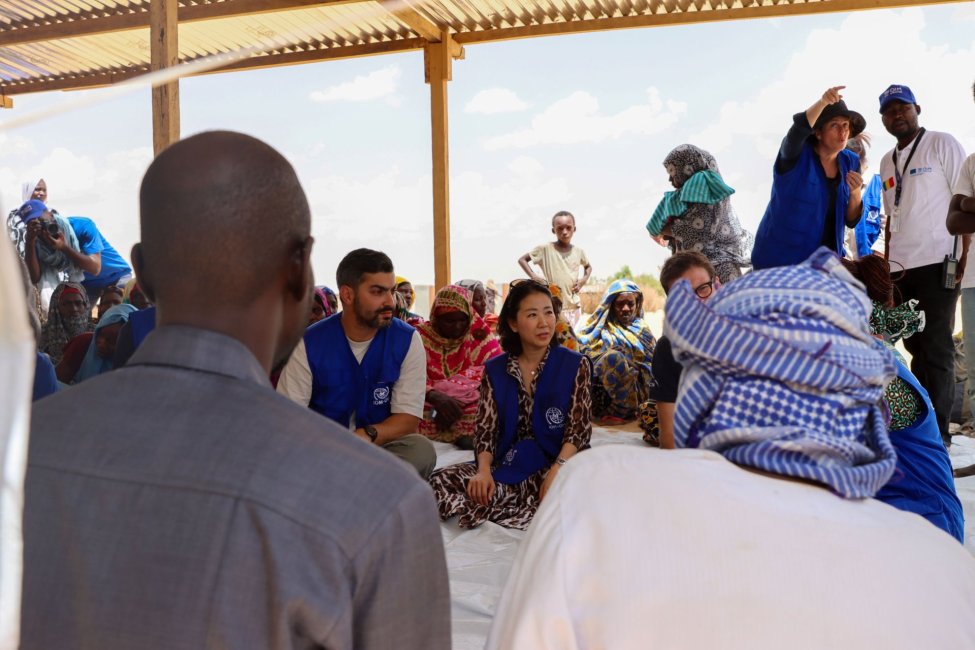
“I sat with women returnees who walked for weeks, sometimes carrying children who were not their own, orphaned or lost along the way. As they return home, we cannot allow them to remain invisible,” said SungAh Lee, IOM Deputy Director General for Management and Reform during her visit to the country. “These figures point to a response that extends beyond providing short-term relief; it must also prioritise protection, health, dignity and longer-term support for women, children and the communities receiving them.”
Many of those returning have settled in spontaneous sites or within host communities in Ouaddaï, Wadi Fira, Sila and Sila provinces, often with very limited resources and urgent needs for shelter, water, household items, health care and protection. The human profile of the crisis is especially stark. According to IOM data, 58 per cent of returnees are female and 69 per cent are children.
Eastern Chad was already under strain before the Sudan crisis began. Today, the scale of new arrivals has intensified pressure on water, shelter, healthcare and other essential services in provinces that were already facing high humanitarian needs.
Returnees are among those who have born the greatest burden of the conflict, and yet, their plight remains the most overlooked despite their vulnerabilities. They return to communities they may not have known, without land, documentation, or family networks.
Since the outbreak of the crisis, IOM has worked with the Government of Chad, local authorities, communities and partners to support both returnees and the communities hosting them. This support has included shelter, water, sanitation and hygiene, non-food items, multi-purpose cash assistance, protection services, and mental health and psychosocial support.
But as the crisis enters its fourth year, the limits of an emergency-only response are becoming impossible to ignore.
IOM is calling for stronger support to the returnee response in eastern Chad, including continued humanitarian assistance alongside investments in livelihoods, community infrastructure and locally led recovery.
With returnees now accounting for nearly a third of all arrivals from Sudan into Chad, the needs are no longer temporary, and the response cannot remain narrowly framed as emergency relief alone.
Distributed by African Media Agency (AMA) on behalf of IOM UN Migration