

Geneva, Switzerland, 09 April 2026- /African Media Agency (AMA)/- On World Health Day 2026, under the theme “Together for health. Stand with science,” the World Health Organization (WHO) is highlighting individuals who use science to improve lives across the African Region.
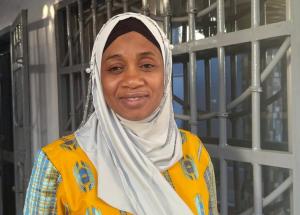
A specialist in hepatology and gastroenterology at Donka National Hospital in Conakry, and a lecturer and researcher at the Gamal Abdel Nasser University of Conakry, Dr Kadiatou Diallo dedicates her work to improving hospital care using scientific evidence. Working at the intersection of clinical practice, teaching and research, she promotes an evidence-based approach to care that is adapted to local realities and accessible to all.
Why is science essential today to improving the quality of hospital care?
Science is a central pillar of modern healthcare. It has driven progress across many medical fields and enabled the development of new tools and treatments to manage complex conditions. In a hospital setting, every decision matters and can have a direct impact on patients’ lives.
Relying on scientific evidence makes it possible to use care protocols that have been proven safer and more effective. It also helps reduce medical errors and limits practices based solely on experience or intuition. Thanks to modern tools such as medical imaging, advanced laboratory tests and clinical decision-support systems, health professionals are better equipped to make informed decisions. Ultimately, science supports more standardized and equitable care, which is especially important in settings with limited resources.
Which recent scientific advances inspire you most in your field?
The pace of scientific progress and its tangible impact on patients’ health are a strong source of motivation and hope. In digestive and liver diseases, advances have been particularly significant.
For example, advances in digestive endoscopy now make it possible to better diagnose and treat certain conditions affecting the stomach, intestines or liver—sometimes without the need for major surgery. Interventional treatments, whether endoscopic or radiological, offer more targeted solutions for inflammatory, vascular or tumour-related diseases.
In addition, research into the gut microbiome—the community of micro-organisms living in our intestines—is opening new perspectives, particularly for conditions such as irritable bowel syndrome. We are also gaining a better understanding of the role of nutrition in preventing liver diseases, including fatty liver disease. Finally, the gradual integration of artificial intelligence is helping physicians interpret certain tests more accurately and quickly.
What is needed to ensure that scientific data are used more consistently in hospital decision-making?
Several elements are essential. First, it is crucial to train health workers to understand and apply scientific evidence in their daily practice. Second, access to information must be improved—through digital platforms, subscriptions to scientific journals and partnerships with research institutions.
It is also important to strengthen hospital information systems so that locally generated data can be better collected and analysed. These data can then be used to engage with health authorities and advocate for decisions that are better aligned with population needs. In short, three pillars are key: skills, tools and institutional commitment.
As a lecturer and researcher, how do you encourage students to rely on science?
Above all, I try to instil a scientific mindset. I encourage them to ask simple but essential questions: why conduct this research, and what evidence supports a given practice? I also emphasize the importance of combining scientific data with clinical experience and the values of patients and communities.
I encourage students to take part in seminars, workshops and research projects to develop their critical thinking and curiosity. Lastly, I help them understand that science is a tool that empowers them and strengthens their role within the health system—particularly in adapting interventions to local realities.
What message would you like to share with young women who want to pursue careers in medical sciences and research?
I would like to tell them this: your place is here, and it matters. Believe in your potential. Research is not reserved for an elite; it is open to those who are committed and persistent. Science needs women to better understand the health challenges affecting families and communities.
Surround yourselves with mentors, aim high and do not set limits for yourselves. Leading projects, publishing research, innovating or teaching is possible while balancing professional, family and social life. Research is much more than a career—it is a space for impact, discovery and leadership.
Distributed by African Media Agency (AMA) on behalf of World Health Organisation.