

Geneva, Switzerland, 25 June 2026- /African Media Agency (AMA)/ – Health experts, policymakers, civil society organizations, development partners, and people living with noncommunicable diseases (NCDs) from across Africa have renewed commitments to accelerate action against severe chronic diseases and strengthen access to quality care at all levels of the health system.
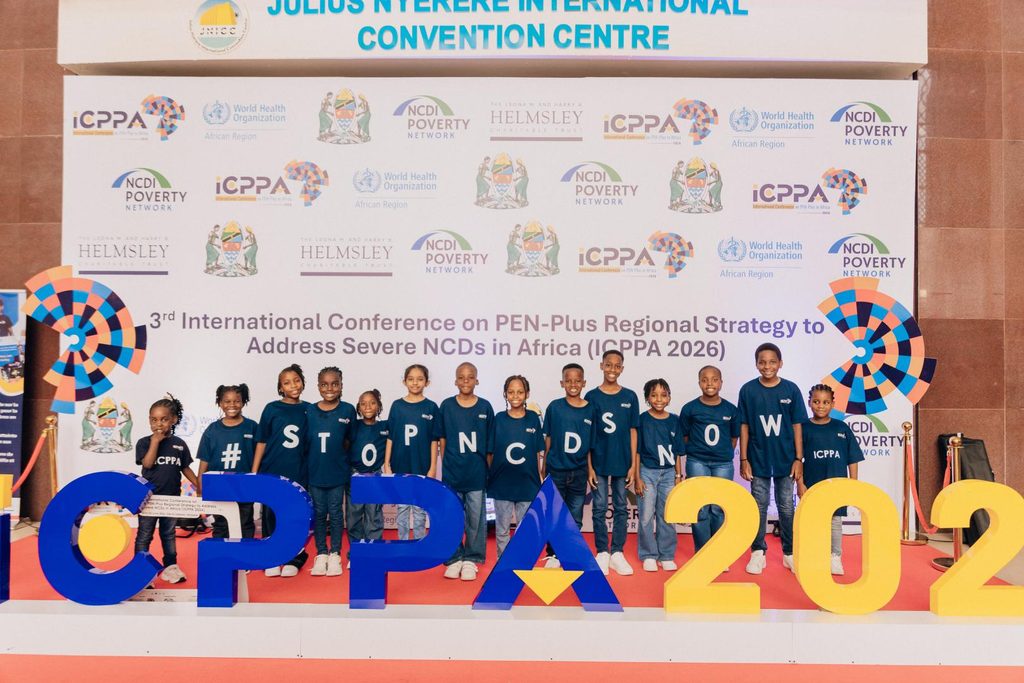
Meeting in Dar es Salaam from 23–25 June 2026 for the 3rd International Conference on PEN-Plus in Africa (ICPPA 2026), participants called for stronger political leadership, increased domestic investment, and expanded access to prevention, diagnosis, treatment, and long-term care for people living with severe NCDs, particularly childhood-onset conditions.
The renewed commitments come at a critical time. More than 100 million people in sub-Saharan Africa are living with severe chronic diseases such as type 1 diabetes, rheumatic and congenital heart disease, sickle cell disease, and cancer. Yet access to basic specialized care remains limited, with services largely concentrated in major urban centres, leaving millions of people in low-resource rural areas without access to proper diagnostics—much less the life-saving care they need—and facing even greater financial hardships in their search for both.
Against this backdrop, participants highlighted the importance of scaling up PEN-Plus, an innovative African-led model that brings advanced diagnostics and treatment closer to home for those millions by decentralizing care for severe NCDs to first-level referral hospitals and integrating clinical services available to people living with severe NCDs. Currently, twenty countries in the WHO African Region are either initiating or implementing PEN-Plus.
Hosted by the Government of the United Republic of Tanzania, in collaboration with the WHO Regional Office for Africa and the NCDI Poverty Network, and with support from The Leona M. and Harry B. Helmsley Charitable Trust, the conference provided a platform to review progress, share lessons, and reinforce commitments towards achieving 2030 NCD targets.
“The PEN-Plus strategy is an African response to an African reality and this conference presents a valuable opportunity to speak with one voice on health investment and the future of noncommunicable disease services,” said H.E. Mohamed Omary Mchengerwa, Minister of Health of the United Republic of Tanzania.
Participants discussed practical strategies to accelerate progress towards the Sustainable Development Goals and Universal Health Coverage by integrating severe NCD services into primary health systems and expanding access to quality care closer to communities.
“Africa must invest more now in addressing noncommunicable diseases with adequate and sustained resources. By strengthening the implementation of integrated approaches such as PEN-Plus, we can ensure that people living with severe NCDs receive the life-saving care they deserve,” said Dr. Mohamed Janabi, WHO Regional Director for Africa.
Partners also emphasized the importance of sustained collaboration and country ownership in driving progress.
“PEN-Plus demonstrates what is possible when countries and partners work together to design systems around people. Scaling up these efforts will save lives, strengthen health systems, and bring care within reach of communities that need it most,” said James Reid, Program Officer for the Helmsley Charitable Trust’s Type 1 Diabetes (T1D) Program.
Participants agreed that achieving meaningful progress towards 2030 will require stronger health financing, multisectoral collaboration, and intensified action on major NCD risk factors, including tobacco use, harmful use of alcohol, unhealthy diets, physical inactivity, and air pollution. Leaders further committed to increasing domestic investment in NCD prevention and care, recognizing the growing burden these conditions place on individuals, families, health systems, and economies.
As the conference concluded, participants delivered a clear message: the time to act is now. By strengthening health systems, increasing investment and scaling up innovative approaches such as PEN-Plus, African countries can accelerate progress towards the 2030 targets and ensure that millions of people living with severe chronic diseases receive the quality care they need to lead healthy and productive lives.
“PEN-Plus has shown us this important promise: that integrated health care delivery, strengthened by coordinated social movements, can improve health care for everyone and bring us closer to global health equity,” said Dr Gene Bukhman, Professor at Harvard Medical School and Co-Chair of the NCDI Poverty Network.
Distributed by African Media Agency (AMA) on behalf of World Health Organisation.